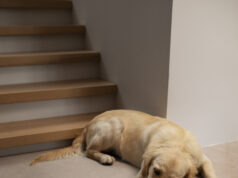
In the bustling rhythm of daily life, it’s easy to overlook the intricacies of our furry companions’ emotional world. Yet, beneath the wagging tails and cheerful greetings, an issue that often goes unnoticed – separation anxiety – can profoundly affect our beloved dogs. Like humans, dogs are creatures of attachment and routine. Disruptions in their daily rituals can stir a whirlwind of emotions. Not only is understanding separation anxiety an essential aspect of responsible pet ownership, but it also ensures the well-being of our four-legged friends.
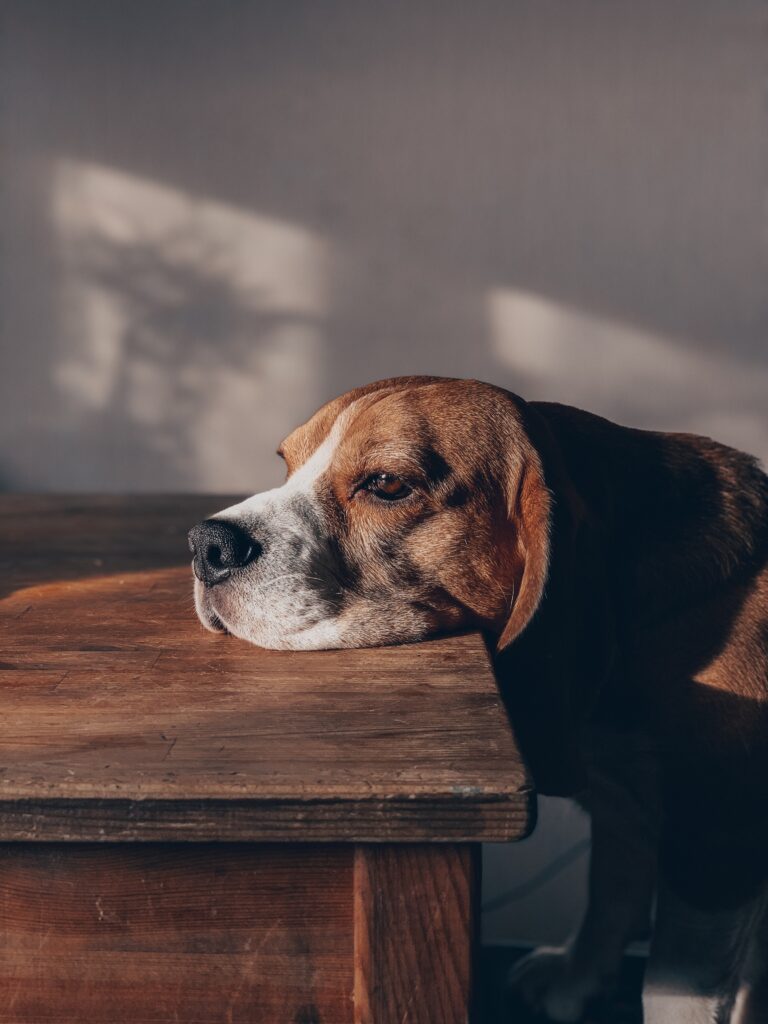
The Multifaceted Face of Dog Separation Anxiety
Separation anxiety manifests in various ways, each providing a glimpse into the emotional landscape of a dog left alone. When we step out for work or errands, our departure can trigger a cascade of emotions for our dogs. It’s common for a seemingly content dog to experience stress, fear, and uncertainty in our absence. Destructive behavior, such as gnawing on furniture or belongings, and house soiling are often the dog’s attempts to cope with these overwhelming emotions.
The Stress of Uncertainty
Imagine the perspective of your furry friend. When you leave, your dog doesn’t comprehend that your absence is temporary. They don’t quite understand the concept of time. Eight or nine hours you’re away might stretch an eternity for them. This ambiguity breeds anxiety and fuels the fear that you might never return. Such uncertainty casts a heavy emotional burden on our canine companions, compelling them to seek solace in behaviors that temporarily alleviate their distress.
The Telltale Signs: Recognizing Stress in Your Dog
Arriving home to chewed-up cushions or indoor accidents can be puzzling and frustrating. However, it’s essential to approach these situations with empathy. Rather than immediately reprimanding your dog, consider the possibility that their behavior stems from anxiety. Sudden deviations from their usual behavior might signal their emotional turmoil during your absence. It’s crucial to view these signs as messages, rather than mere behavioral anomalies. Your dog is not plotting vengeance for being left to their own devices; rather, they’re embroiled in a desperate quest to cope with their overwhelming emotions. Imagine the anxiety bubbling within them, the confusion of not comprehending when you’ll return – it’s this emotional maelstrom that often drives their actions.

Addressing Dog Separation Anxiety
Thankfully, there are steps you can take to alleviate your dog’s separation anxiety and create a more reassuring environment for them. By putting these strategies into action, you not only provide your canine companion with a sense of comfort but also initiate a transformative journey that nurtures their emotional well-being and cultivates a stronger bond of trust between both of you.
- Gradual Departures. Instead of sudden and extended absences, practice short departures and gradually increase the time you’re away. This helps your dog become accustomed to your comings and goings, eventually reducing their anxiety.
- Morning Exercise. Energize your dog with a brisk morning walk or play session before you leave. A tired pup is more likely to settle down and nap during your absence, reducing anxiety levels.
- Interactive Toys. Provide engaging and interactive toys that can keep your dog mentally stimulated in your absence. Puzzle feeders or treat-dispensing toys can distract and engage their minds.
- Calming Strategies. Some dogs respond well to calming strategies, such as soothing music or pheromone diffusers. These aids can create a more serene atmosphere and help ease anxiety.
- Professional Help. If your dog’s separation anxiety is severe, consulting a professional dog trainer or animal behaviorist can provide tailored guidance and techniques to address the issue.
- Companion Visits. Enlist the help of a trusted friend, family member, or pet sitter to visit your dog during the day. These brief check-ins reassure your dog that they’re not alone.

Recognizing and addressing separation anxiety enhances your dog’s well-being while strengthening the bond between you and your four-legged companion. As responsible pet owners, it’s our privilege and duty to ensure that our dogs thrive emotionally and mentally. By navigating the terrain of separation anxiety with patience, empathy, and proactive measures, we pave the way for a harmonious relationship built on trust, understanding, and unwavering companionship.
Check out this video from Cesar Millan explaining Dog Separation Anxiety and how to address them: