Zoomies, scientifically called frenetic random activity periods (FRAPs), are usually short bursts of high-energy play or tension release, and they’re normal in most dogs. They tend to end as abruptly as they start. If an episode includes stumbling, repeated spinning, or collapse, that’s your cue to call a vet.
TL;DR:
- Most zoomies are harmless bursts of joy or stress that last only a few minutes, with abrupt stopping and relaxed body language indicating normal behavior.
- Triggers include confinement, excitement from owner re-entry, post-bath energy releases, or natural crepuscular activity, especially in puppies and young dogs.
- Stumbling, collapse, or disorientation during an episode could indicate a medical issue like seizures or pain, requiring vet assessment and video documentation.
- Creating a safe environment by removing hazards and redirecting activity helps prevent injuries during energetic episodes.
- Persistent, repetitive spinning or signs of disorientation during zoomies should prompt professional evaluation, but most episodes are purely normal canine behavior.
Table of Contents
- What are zoomies? The behavior and how long it lasts
- What triggers zoomies in dogs
- Joyful zoomies versus warning signs
- Keeping zoomies safe at home
- When zoomies warrant a vet visit
- A practical take from Dogs, Dames and Dudes
- Sources
- FAQ
What are zoomies? The behavior and how long it lasts
Vets at Cornell University’s College of Veterinary Medicine describe FRAPs as sudden, intense bursts of movement: running in circles, spinning, jumping, and darting around a room or yard. Many owners also call them “the crazies” or “witching hour.” You’ll often see a butt tuck as the dog gallops low to the ground, interrupted by play bows and sharp changes of direction.
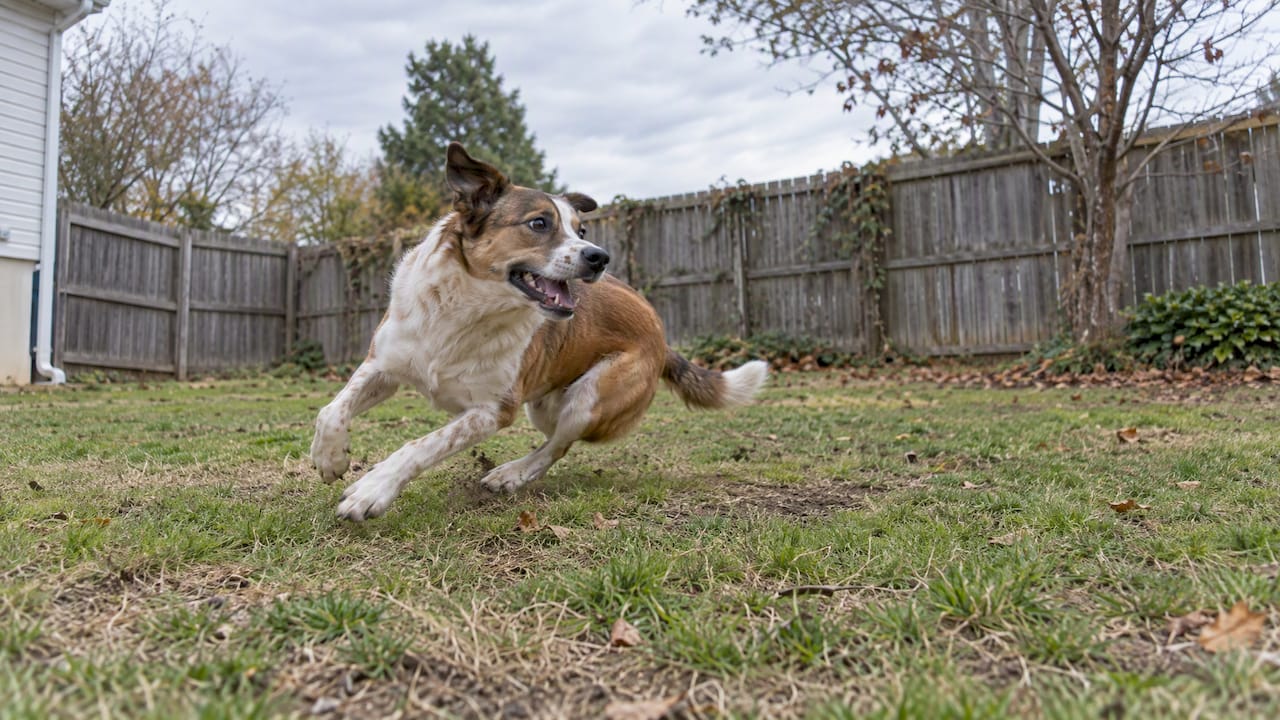
The episode usually lasts from a few seconds to several minutes before the dog stops on its own and settles, often panting and looking pleased with itself. There’s no gradual wind-down. One moment your dog is tearing across the living room, the next she’s flopped on the floor like nothing happened. That abrupt stop is part of what defines a true FRAP, distinguishing it from ongoing hyperactivity or anxious pacing.
Recognizing this pattern matters because the shape of the episode, not just the speed, tells you whether you’re watching normal behavior or something that needs a closer look.
What triggers zoomies in dogs
FRAPs usually show up when physical or emotional energy has nowhere else to go. According to Cornell’s veterinary researchers, common triggers include:
- Confinement or low activity: a dog cooped up for hours, or one that missed its usual walk, often releases that pent-up energy all at once.
- Owner’s return home: the excitement of reunion is a classic trigger, especially in younger dogs.
- Post-bath or post-grooming release: many dogs explode into a sprint the second they’re toweled off.
- After using the bathroom: some dogs seem to celebrate finishing their business with a victory lap.
- Evening or early morning hours: dogs are naturally more active at dawn and dusk, a pattern recent reporting ties to crepuscular rhythms built into the species.
Puppies and young dogs tend to zoom more often simply because they have more raw energy and fewer outlets for it. But FRAPs aren’t only about joy. Phys notes that zoomies can also reflect stress or frustration, not just excitement, with body language and context doing the work of telling the two apart. A dog that just endured a stressful vet visit, for example, might zoom as a way of discharging nervous tension rather than celebrating. That’s why the same behavior, running laps around the backyard, can mean very different things depending on what happened right before it.
Joyful zoomies versus warning signs
Most zoomies resemble playful bursts like a toddler running around the yard before bedtime. Experts writing in Psychology Today describe the behavior as spontaneous, self-rewarding play that’s contagious among dogs and doesn’t signal a mental disorder.
Here’s how to sort a normal episode from one worth monitoring:
- Watch the body. A loose, wiggly body, play bows, and a relaxed mouth point to fun; a stiff, tucked, or frantic posture points to stress.
- Time the recovery. Joyful zoomies end with the dog settling calmly within a few minutes; concerning episodes drag on or repeat in tight loops without any play invitation.
- Check for coordination. Stumbling, falling over, or an inability to stop moving is not part of a typical FRAP.
- Note any other symptoms. Vomiting, drooling, disorientation, or collapse alongside the spinning changes the picture entirely.
If an episode sits in a gray area, film it. A short video showing the full sequence, from trigger to stop, gives you and a vet something concrete to review instead of a secondhand description.
Pro Tip: Keep your phone handy during your dog’s usual zoomie window so you’re not scrambling to describe the behavior from memory later.
Keeping zoomies safe at home
Since FRAPs involve fast, uncoordinated bursts of speed, the goal isn’t to stop them but to make the space safe. Psychology Today recommends managing the environment rather than forcing an interruption, since forcibly stopping a dog mid-FRAP can startle or frustrate it.
Before an episode starts, or the moment you see one building:
- Clear breakable objects, cords, and clutter from the main running path.
- Secure loose rugs that could slide out from under fast-moving paws.
- Gate off stairs if your dog tends to zoom near them.
- Move the action outside or to a larger room when possible.
Zoomies are common right after a bath, so our puppy bath guide covers how to towel-dry and set up a safe space before your dog bolts off mid-rinse. For dogs that zoom frequently out of pent-up energy rather than excitement, more structured walks, active play sessions, and puzzle feeders can reduce how often the bursts happen.
Pro Tip: If your dog zooms toward stairs or a road, redirect with a favorite toy rather than grabbing at the collar, which can turn a happy moment into a startled one.
When zoomies warrant a vet visit
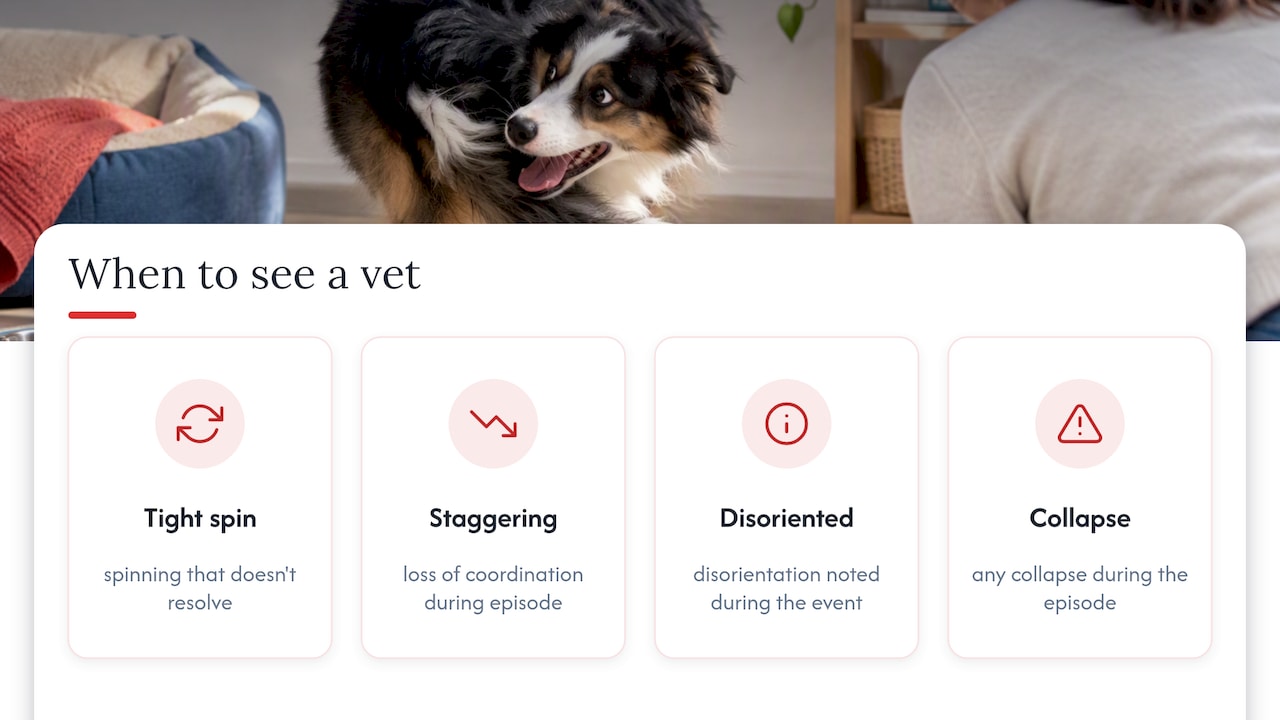
Most FRAPs are harmless, but a few presentations overlap with medical conditions that deserve a professional look. Repetitive tight spinning that doesn’t resolve, loss of coordination, disorientation, or any collapse could point to a seizure, a movement disorder sometimes called paroxysmal dyskinesia, fly-catching behavior linked to discomfort, or an underlying pain issue rather than ordinary play.
Documentation helps a vet sort this out quickly. Record video of the full episode, note what happened right before it started, track how often it occurs, and write down any accompanying symptoms like vomiting or drooling. Veterinary researchers note that owner presence can influence a dog’s physiological stress response, which is part of why context matters so much when distinguishing a behavioral FRAP from a neurological event.
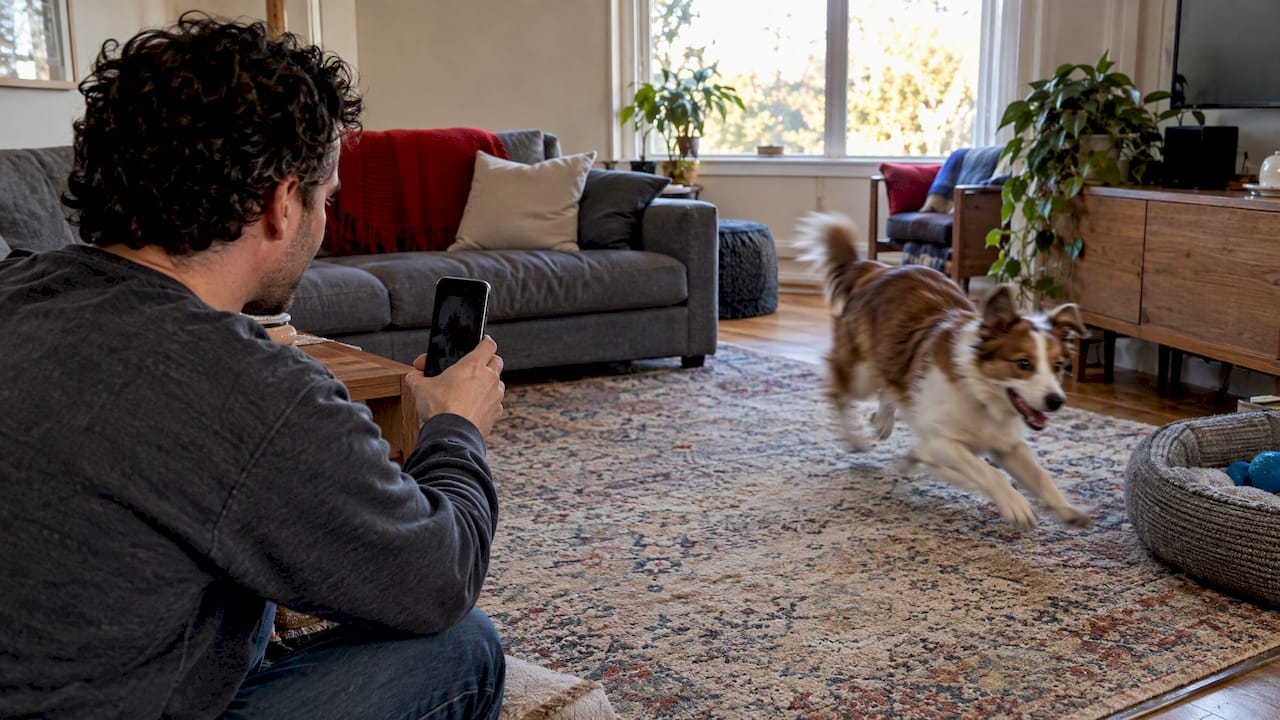
Bring that footage to your appointment. A vet may recommend a physical exam, bloodwork, or referral to a veterinary neurologist if the pattern doesn’t match typical zoomies. Reassurance is warranted for the vast majority of dogs: the behavior is a normal release, not a disorder.
A practical take from Dogs, Dames and Dudes
After years of watching dogs tear across living rooms and backyards, our take is simple: let the zoomies happen, just make the room safe first. Most episodes are pure joy, not a problem to fix. Pay attention to posture and recovery time, keep stairs and clutter out of the path, and save the vet call for the rare episode that looks disoriented or repetitive rather than playful.
— Brian
Sources
- What are zoomies? | Cornell University College of Veterinary Medicine
- Phys
- Are Zoomies a Sign of a Happy Dog or a Crazy Dog? | Psychology Today
- The science behind dog zoomies | USA Today
FAQ
Do zoomies mean dogs are happy?
Most of the time, yes. Zoomies usually reflect excitement, playfulness, or a release of built-up energy, though they can occasionally reflect stress or tension depending on the dog’s body language and the situation that preceded them.
At what age do dogs stop zooming?
There’s no fixed age when zoomies stop entirely, but they tend to become less frequent as puppies mature into adult dogs with more settled energy levels. Many adult and senior dogs still have occasional bursts, especially after a bath or an exciting reunion.
What words do dogs love to hear the most?
This wasn’t covered by the veterinary and behavioral sources used for this piece, so it’s better addressed as its own topic rather than guessed at here.
Which breed of dog gets zoomies the most?
The sources behind this article don’t rank zoomies by breed; FRAPs are described as common across dogs generally, with puppies and young dogs of any breed showing them more often than older dogs simply because they carry more surplus energy.