Unwanted urination is a common concern among dog owners, and it can be frustrating and confusing to deal with. Whether you have a young puppy or a well-trained adult dog, unexpected accidents can still happen. In this article, we will explore why dogs may experience inappropriate urination and how to address this issue effectively.
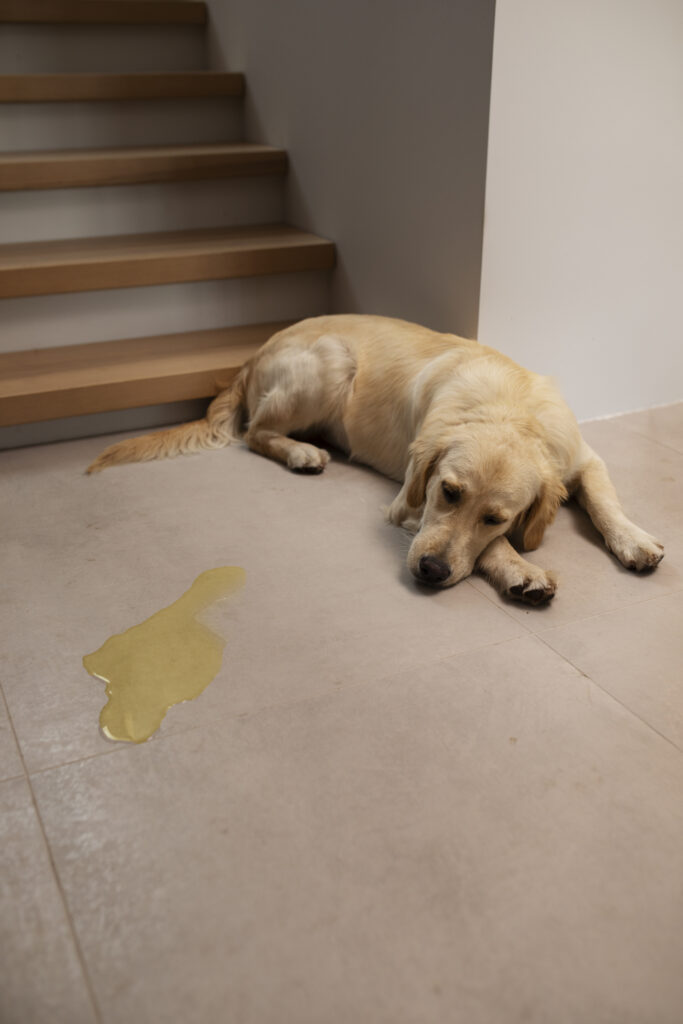
Possible reasons for unwanted urination in dogs
Medical Reasons
Before jumping to conclusions, it’s essential to rule out any underlying medical conditions that might be causing your dog’s urination problems. Bladder infections or other urinary tract issues can lead to frequent accidents. If you suspect a medical problem, consult your veterinarian for proper diagnosis and treatment.
Excitement Urination:
One of the most common reasons why dogs lose control of their bladders is excitement. This is especially prevalent in puppies who haven’t fully developed bladder control. When puppies get overly excited, they may not even be aware that they are urinating. Scolding or punishing them for this behavior will only confuse them and may lead to submissive urination later on.
To prevent excitement urination, focus on positive reinforcement and gentle training. Gradually expose your puppy to exciting situations, such as meeting new people or other animals, and reward calm behavior. With time and practice, most puppies will grow out of excitement urination as they develop better bladder control.
Submissive Urination:
Submissive urination is a natural behavior in the wild, where dogs express their submissiveness to the pack leader by lowering themselves and urinating. In a domestic setting, submissive urination is often seen in dogs that have experienced abuse or lack confidence.
Correcting submissive urination can be challenging, and it requires patience and understanding. Punishment or scolding will only worsen the issue, as the dog perceives it as a threat, further reinforcing the submissive behavior. Instead, focus on building a strong and trusting relationship with your dog. Offer positive reinforcement for confident behaviors, and avoid any actions that may cause fear or anxiety in your pet.
Understanding the Importance of Patience and Consistency
Dealing with unwanted urination in dogs requires patience and consistency. It’s crucial to remember that training takes time and that each dog is unique. Some dogs may respond quickly to training, while others may need more time and reinforcement. Be patient and avoid getting frustrated, as your dog can pick up on your emotions and may become anxious, making the problem worse.
Proper House Training
Even if your dog has been housebroken, accidents can still happen, especially during times of stress, changes in routine, or medical issues. Reinforce house training techniques, such as taking your dog out regularly, rewarding appropriate elimination, and supervising them indoors until you’re confident in their bladder control.
Environmental Management
Sometimes, unwanted urination occurs due to environmental triggers. Ensure your dog has access to appropriate bathroom areas, and minimize stressors that might lead to accidents. Consider using pheromone sprays or diffusers to create a calming atmosphere in your home.
Creating a Routine
Establishing a daily routine can be highly beneficial for preventing unwanted urination. Dogs thrive on predictability, and having a structured schedule can help regulate their bathroom habits. Set specific times for feeding, walks, and potty breaks. Take your dog out first thing in the morning, after meals, and before bedtime. Additionally, make sure to take them out after periods of play or excitement to reduce the risk of accidents.
Positive Reinforcement
Positive reinforcement is a powerful tool in training your dog. When they eliminate in the appropriate place, offer plenty of praise, treats, or their favorite toy as a reward. Positive reinforcement not only reinforces good behavior but also strengthens your bond with your furry friend. Conversely, avoid punishing or scolding your dog for accidents, as this can create fear and anxiety, making the issue worse.
Use of Training Aids
Training aids can be valuable tools when tackling unwanted urination. For instance, you can use a crate or a designated potty area to help with house training. Crates create a safe space for your dog and can aid in housebreaking, as dogs naturally avoid soiling their sleeping area. Just ensure that the crate is appropriately sized, comfortable, and never used as a punishment.
For indoor potty training, use pee pads or artificial grass in a specific area of your home. Gradually move the pad or grass closer to the door, eventually transitioning your dog to eliminate outside.
Monitor Water Intake
Keeping track of your dog’s water intake can help regulate their bathroom habits. Offer water in measured amounts throughout the day rather than leaving a full bowl out at all times. This can prevent excessive drinking and reduce the likelihood of accidents. Remember to provide fresh water regularly, especially after playtime or outdoor activities.
Regular Exercise and Mental Stimulation
A well-exercised and mentally stimulated dog is more likely to have better bladder control. Regular exercise not only helps your dog burn off excess energy but also aids in maintaining a healthy urinary system. Engage your dog in activities that challenge their mind, such as puzzle toys or training sessions, as mental stimulation can reduce anxiety and stress-related accidents.
Seek Professional Help
If you find it challenging to address your dog’s urination problems on your own or if the problem is becoming increasingly challenging, consider seeking help from a professional dog trainer or animal behaviorist. They can assess your dog’s behavior and provide personalized training strategies to tackle the issue effectively. A veterinarian can rule out any medical conditions that may be contributing to the issue, while a certified dog trainer or animal behaviorist can provide expert guidance tailored to your dog’s specific needs.
Here’s a video from Love Your Aminals! on how to handle unwanted dog urination at home:
Unwanted urination is a common issue faced by many dog owners, but it is essential to understand the underlying reasons to address it properly. Remember that punishment and scolding are not effective solutions and may lead to more significant problems. Instead, focus on positive reinforcement, consistent training, and creating a supportive environment for your beloved pet. With patience and understanding, you can help your dog overcome urination challenges and strengthen your bond along the way.